Piezocone Testing

Geotechnical Services

Piezocone Testing

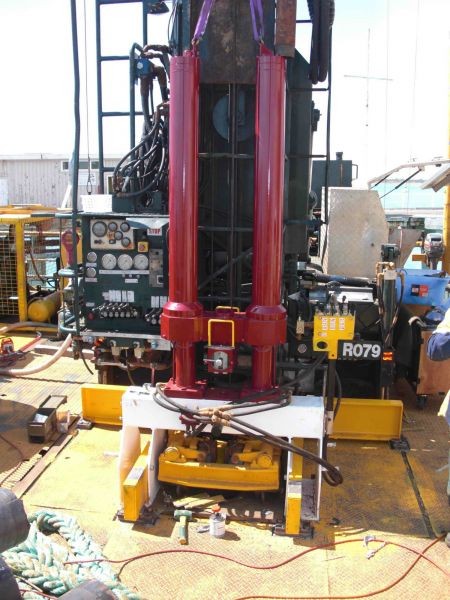
Piezocone Testing (CPTu) is used to determine the groundwater pressure and measures excess pore pressure generated during a CPT.

Dissipation testing can be conducted during a Piezocone Test (CPTu) and sees the value of excess porewater pressure against time recorded, while the CPT test has been paused and the cone is stationary.

As with a Dilatometer Test (DMT), results from dissipation tests can be used to determine permeability and the coefficient of consolidation. A Dissipation Test can be conducted (at any depth) of a CPTu test and our Dissipation Tests are plotted with the CPTu results.
More Like This

Projects Using This Service

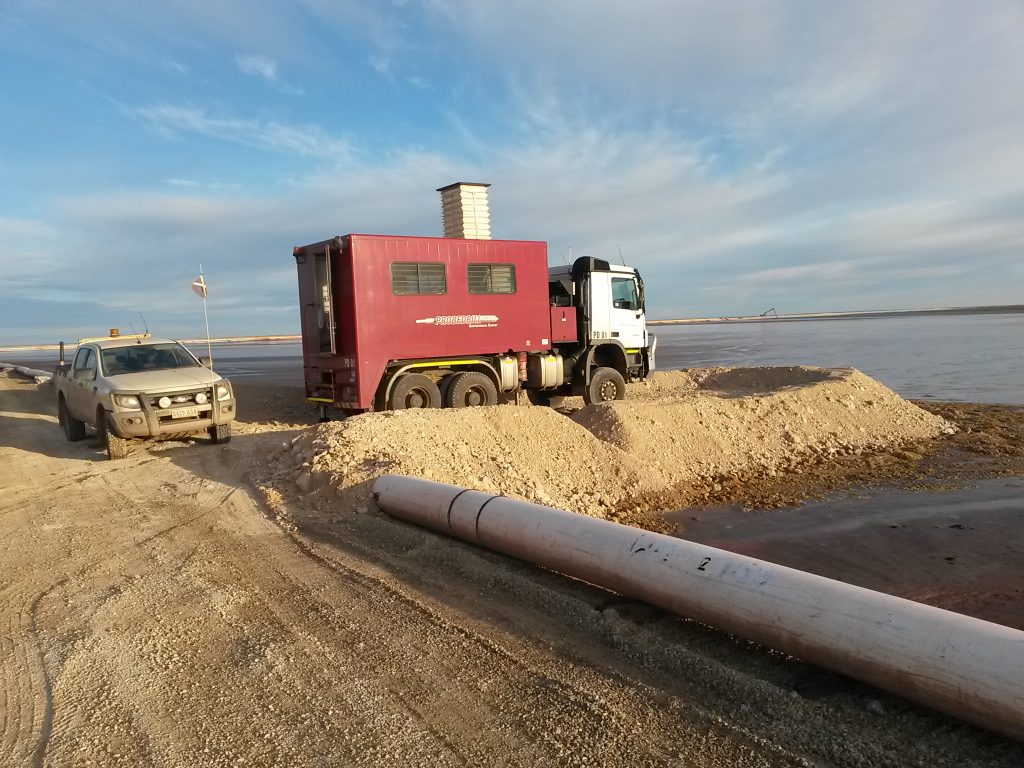
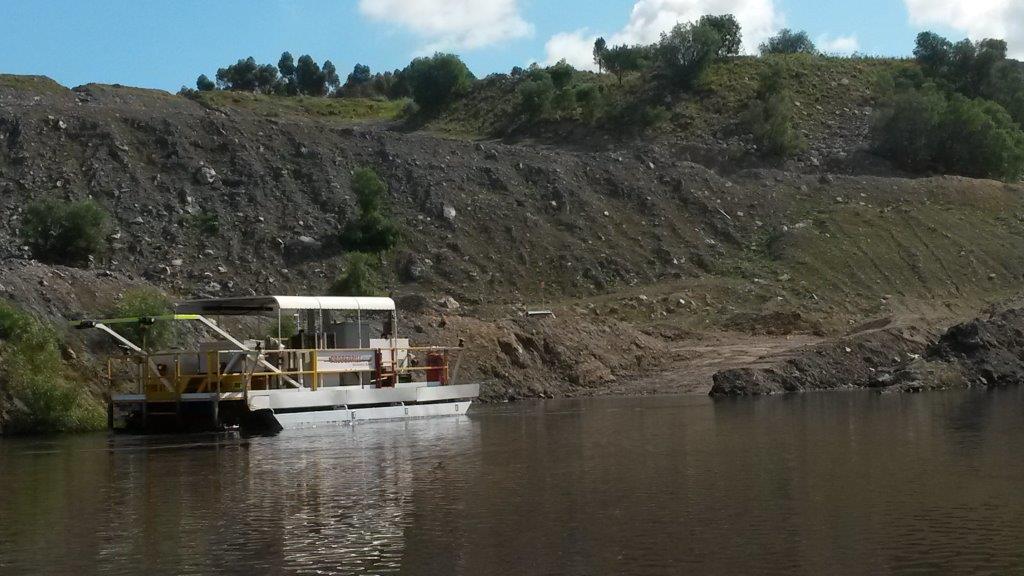
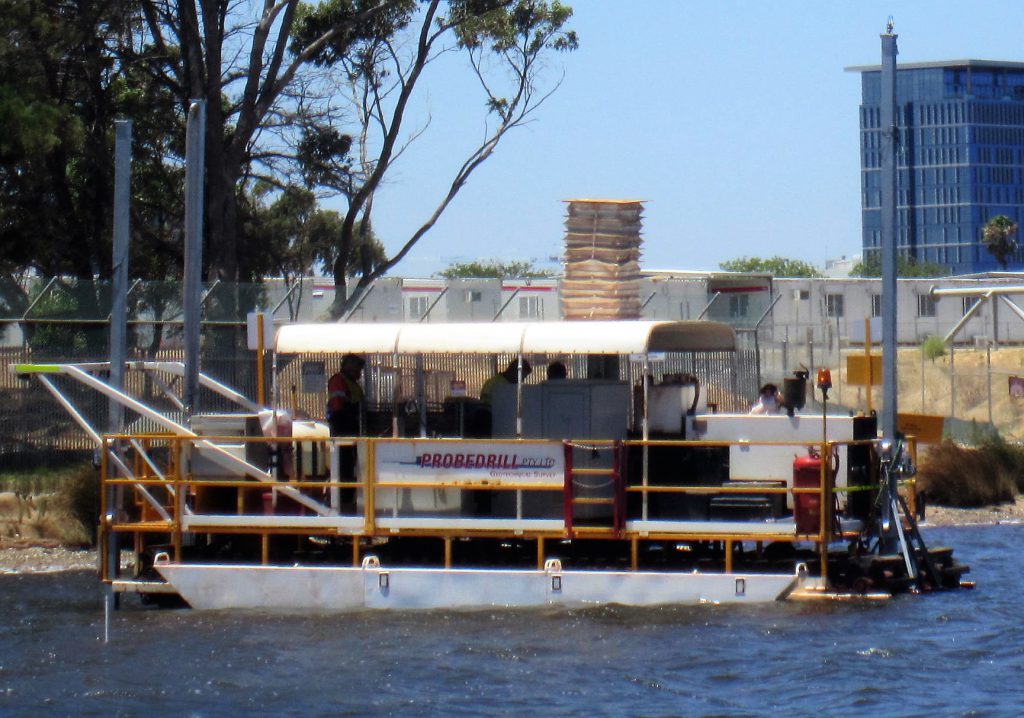
Updated: Marshbuggy with spud leg attachments

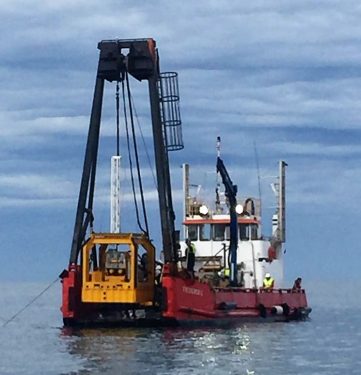
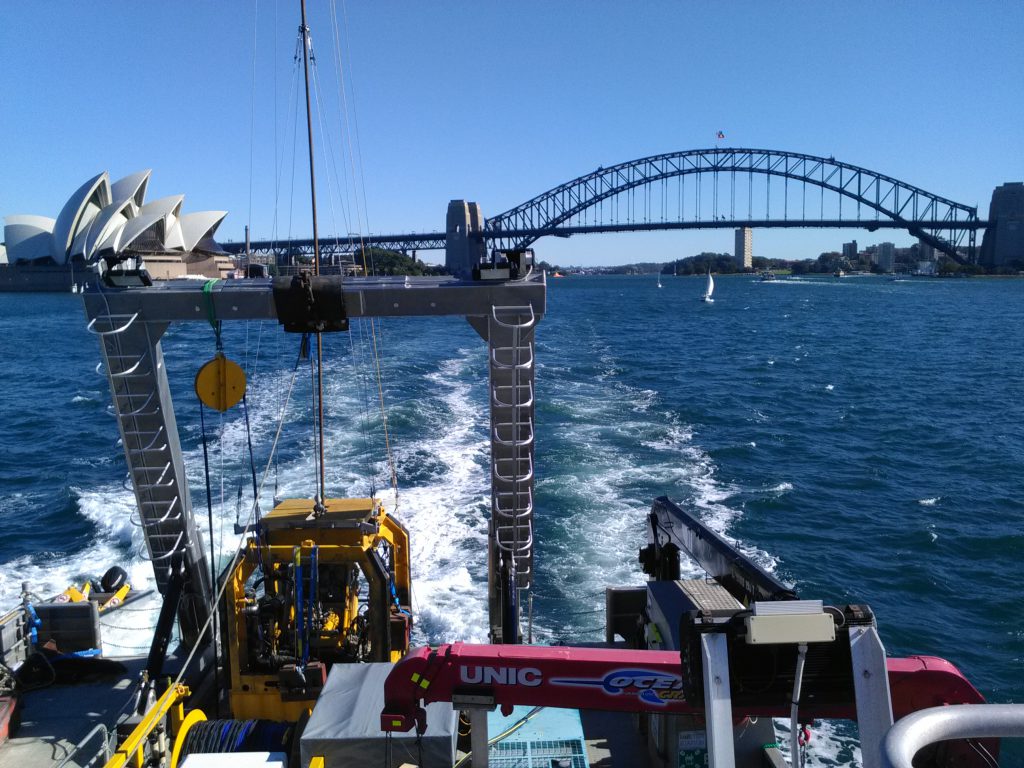
Seabed CPT: Western Harbour Tunnel & Beaches Link Project (Sydney): May-June 2017

South Australia: 2016

Seabed CPT: Gulf of St Vincent, S.A: 2016

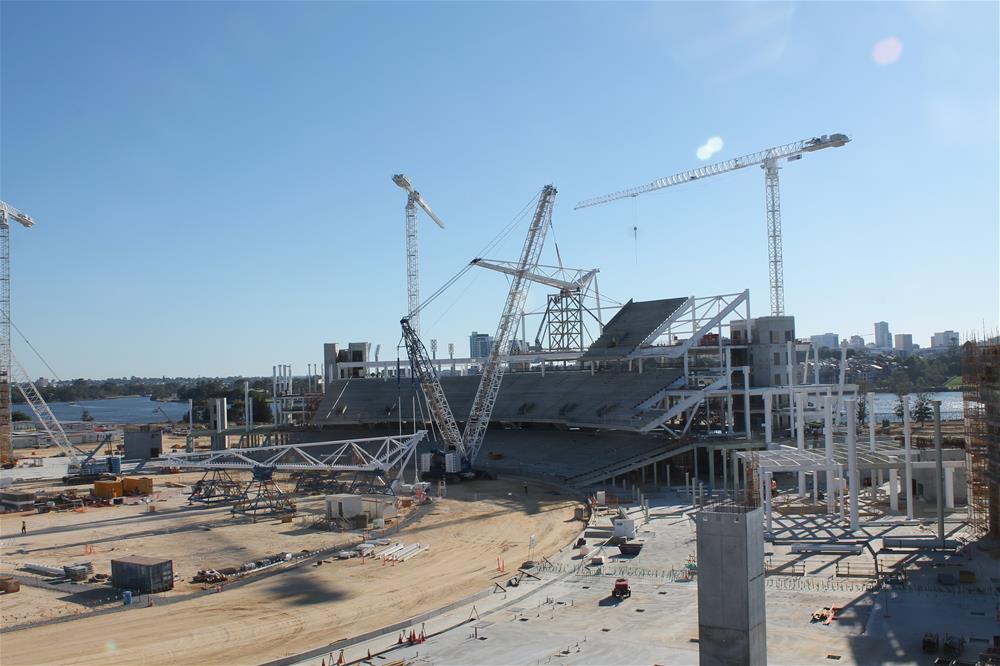
Perth Stadium, Burswood: 2012 – 2015

Elizabeth Quay (Perth Waterfront) Project: 2010 – 2015

Forrestfield – Airport Link Project, Perth: 2014 – 2015

Marshbuggy “Floating” CPT – Newcastle TSF, NSW: 2013

Browse Phase 3 – James Price Point, Broome: 2012

Chevron Wheatstone LNG Project, Onslow: 2009 – 2013

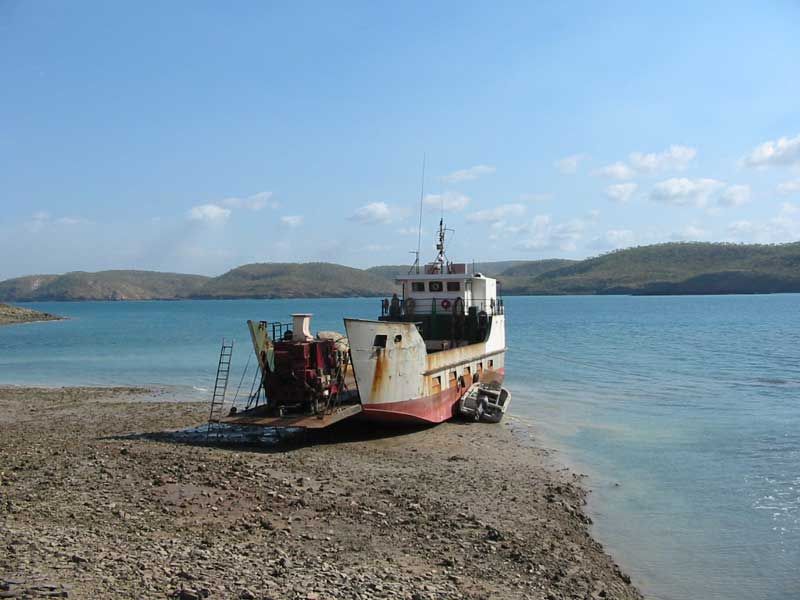
Koolan Island: 2002

How We Can Help

Our Services

Cone Penetration Testing

Cone Penetration Testing (CPT) uses a cylindrical cone pushed vertically into the ground at a constant penetration rate of 20mm per second. During penetration, measurements are made of the cone…

Thermal Conductivity (Resistivity) Testing – Seabed CPT

Thermal Conductivity Testing is primarily used for route surveying and subsequent design of high-voltage electric power cables and for heated pipelines. The measurement method is based on the Non-Steady-State Probe…

Piston Tube Sampling

Developed by Probedrill, the Piston Tube Sampling technique is based on traditional piston type sampling methods but includes the speed and efficiency of a CPT rig, where suitable soil conditions…